Portugal is Europe’s southwestern jewel—a sun-soaked country where cobbled cities, golden beaches and dramatic cliffs collide. For centuries this maritime nation shaped the world; today travelers are drawn to its charismatic cities, UNESCO sites and warm hospitality. Whether you’re a history buff, foodie, surfer or simply seeking laid‑back charm, Portugal delivers.
In this guide, I’ll take you through ten unmissable destinations that reveal the country’s diversity—from Lisbon’s tram‑rattled hills to the volcanic wonders of the Azores. Each stop includes highlights and insider tips so you can plan your perfect Portuguese adventure.
Why visit Portugal?
- Rich heritage: Discover castles, palaces and ancient Roman ruins alongside Moorish architecture and elaborate azulejo tiles.
- Diverse landscapes: Golden beaches, rugged cliffs, wine terraces, verdant islands and mountain villages await within a compact country.
- World‑class gastronomy: Feast on fresh seafood, hearty stews, Port wine and sweet pastéis de nata.
- Friendly locals & value: A welcoming vibe, safe streets and good value for money make it ideal for solo travelers and families alike.
- Mild climate: Enjoy sunny days almost year‑round; spring and autumn offer the best balance of good weather and fewer crowds.
1. Lisbon – City of Seven Hills & Endless Charm
Portugal’s capital is an intoxicating blend of old and new. Orange rooftops tumble down steep hills to the wide Tagus River, while yellow trams clatter through narrow lanes and hip cafés buzz late into the night.
Highlights:
- Alfama & Mouraria: Wander maze‑like alleys echoing with Fado music, admire vibrant tilework and soak up traditional neighbourhood life.
- Belém district: Marvel at the ornate Jerónimos Monastery, climb the Belém Tower and taste the original pastéis de nata at Pastéis de Belém.
- Bairro Alto & Chiado: Ride iconic Tram 28 up to viewpoints like Miradouro da Senhora do Monte, shop in elegant Chiado and join the nightlife in Bairro Alto.
- Modern waterfront: Stroll along the LX Factory creative district and waterfront promenade for street art, food markets and sunset river views.
Tips:
- Wear comfortable shoes—the hills and cobbles are unforgiving.
- Purchase a Lisboa Card to access museums and public transport at a discount.
- Visit popular sites early or late to avoid crowds.
2. Porto – Riversides, Wine & Cutting‑Edge Culture
Porto, Portugal’s second city, charms with colourful houses stacked along the Douro River and an inventive food scene. It’s also the birthplace of Port wine.
Highlights:
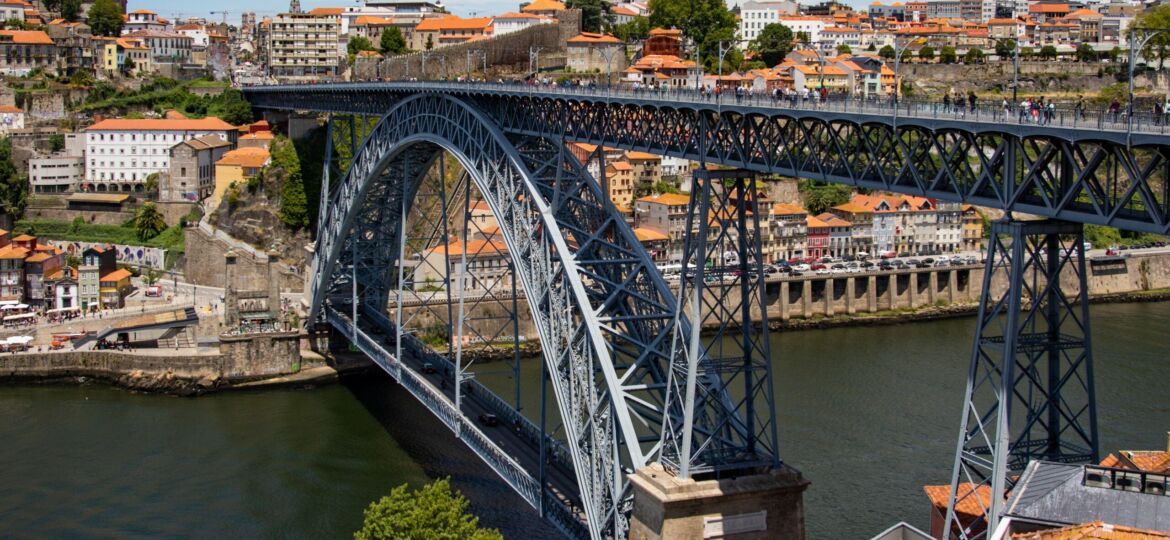
- Ribeira & Cais da Gaia: Explore UNESCO‑listed riverfront districts on both sides of the Dom Luís I Bridge and sip Port at historic lodges.
- Livraria Lello & São Bento Station: Step inside one of the world’s most beautiful bookstores and admire São Bento’s striking azulejo panels.
- Clérigos Tower & Cathedral: Climb the Baroque tower for panoramic views and visit the Romanesque cathedral nearby.
- Contemporary Porto: Discover cutting‑edge architecture at Casa da Música or the Serralves Museum of Contemporary Art surrounded by parkland.
Tips:
- Take a river cruise to see the six bridges from the water.
- Book Port wine tastings in advance during peak months.
- Don’t miss the francesinha sandwich—a Porto speciality.
3. Sintra – Fairytale Palaces in a Lush Serra
A short train ride from Lisbon, Sintra is a UNESCO‑listed town set amid misty hills dotted with whimsical palaces and romantic gardens.
Highlights:
- Pena Palace: Tour this colourful 19th‑century palace perched high on a hill with sweeping views.
- Quinta da Regaleira: Wander grottoes, tunnels and follies in mystical gardens rich with symbolism.
- Moorish Castle: Walk ancient ramparts that zigzag along a forested ridge.
- Historic centre: Sample travesseiros pastries and browse artisan shops in the village below.
Tips:
- Purchase combined tickets to save on multiple palaces.
- Go early morning to beat tour bus crowds.
- Bring layers—Sintra’s microclimate is cooler and mistier than Lisbon.
4. The Algarve – Sun, Sea & Spectacular Cliffs
Portugal’s southern coast is famed for its golden beaches, dramatic cliffs and laid‑back resort towns. Beyond the crowds you’ll find hidden coves and authentic fishing villages.
Highlights:
- Lagos & Ponta da Piedade: Kayak or cruise around sea caves and rock formations carved by turquoise waters.
- Praia da Marinha & Benagil Cave: Relax on one of Europe’s most beautiful beaches and visit the nearby sea cave with its iconic skylight.
- Tavira & Ria Formosa: Experience a quieter side of the Algarve among whitewashed houses, salt pans and a labyrinth of lagoons rich in birdlife.
- Sagres & Costa Vicentina: Catch epic sunsets at Cabo de São Vicente and surf Atlantic swells along the wild west coast.
Tips:
- Rent a car to explore beaches off the main resort strips.
- Avoid peak July–August crowds by visiting in May–June or September.
- Pack reef‑safe sunscreen to protect marine life.
5. Coimbra – Portugal’s Historic University City
Midway between Lisbon and Porto lies Coimbra, home to one of Europe’s oldest universities and a vibrant student culture.
Highlights:
- University of Coimbra: Tour the ornate 18th‑century Biblioteca Joanina, climb the University Tower and attend a student Fado performance.
- Old Cathedral & Santa Cruz Monastery: Admire Romanesque architecture and the tomb of Portugal’s first king.
- Riverfront parks: Paddle a kayak on the Mondego River or relax in the manicured Jardim Botânico.
- Student life: Experience the buzz of bars, cafés and annual traditions like Queima das Fitas graduation week.
Tips:
- Wear comfortable shoes—there are steep slopes between the upper and lower towns.
- Join a guided university tour to access restricted areas.
- Taste chanfana (goat stew) and pastel de Santa Clara pastries.
6. Évora – A Timeless Alentejo Gem
The walled city of Évora offers a journey through Roman, Moorish and Portuguese history set in the rolling plains of the Alentejo.
Highlights:
- Roman Temple: Snap photos of the remarkably preserved Temple of Diana rising above the square.
- Cathedral & Giraldo Square: Climb rooftops for panoramic views and sip coffee on the lively plaza.
- Chapel of Bones: Visit Capela dos Ossos—lined with skulls and bones—for a macabre meditation on mortality.
- Megalithic sites: Explore nearby Cromeleque dos Almendres, one of Europe’s largest stone circles.
Tips:
- Évora gets scorching in summer; aim for spring or autumn visits.
- Combine Évora with nearby wineries to sample robust Alentejo reds.
- Stay overnight to wander atmospheric lanes after day‑trippers leave.
7. Douro Valley – Terraced Vineyards & Scenic Cruises
Carved by the Douro River, this UNESCO region is the birthplace of Port and offers breathtaking terraces that change colour with the seasons.
Highlights:
- Pinhão & Peso da Régua: Base yourself in charming riverside towns for winery tours and boat trips.
- Quintas & Wine Tastings: Visit traditional quintas like Sandeman, Taylor’s or Quinta do Seixo to learn about winemaking and sample Ports and Douro DOC wines.
- Scenic Drives & Train Rides: Wind along the N222 (voted one of the world’s best drives) or ride the historic steam train from Régua to Tua.
- Miradouros (viewpoints): Pack a picnic and admire mosaic‑like vineyards from Miradouro de São Leonardo de Galafura.
Tips:
- Harvest time (September) is magical but busy—book accommodation early.
- Designate a driver or join a tour; wine tasting and narrow roads don’t mix.
- Visit in spring for wildflower blooms and in autumn for golden vines.
8. Madeira – Garden Island of Adventure
Set in the Atlantic, Madeira is an island of soaring peaks, lush levada trails and year‑round subtropical blooms nicknamed the “Floating Garden”.
Highlights:
- Funchal: Ride the cable car to Monte, descend by wicker toboggan and explore vibrant markets like Mercado dos Lavradores.
- Levada Walks: Hike along ancient irrigation channels through Laurisilva forest to waterfalls such as 25 Fontes.
- Pico do Arieiro & Pico Ruivo: Summit the island’s highest peaks for sunrise views above a sea of clouds.
- Curral das Freiras & Cabo Girão: Visit the secluded Nuns’ Valley and stand on a glass skywalk above Europe’s highest sea cliff.
Tips:
- Weather varies dramatically—pack layers and be prepared for sudden rain.
- Rent a car to explore remote corners and viewpoints.
- Try local specialties like espetada (skewered beef) and poncha (rum punch).
9. Azores – Volcanic Wonders in the Middle of the Atlantic
Nine lush islands offer crater lakes, geothermal springs and whale‑watching adventures far from crowds.
Highlights:
- São Miguel: Visit the twin lakes of Sete Cidades, bathe in Terra Nostra’s iron‑rich hot springs and hike around Furnas’ steaming fumaroles.
- Pico & Faial: Climb Portugal’s highest mountain on Pico Island and gaze across to Faial’s Capelinhos volcano.
- São Jorge & Terceira: Sample tangy São Jorge cheese, trek along dramatic cliffs and explore UNESCO‑listed Angra do Heroísmo.
- Marine life: Join boat tours for sperm whale sightings, dolphin encounters and diving with manta rays.
Tips:
- Inter‑island flights or ferries require planning—focus on two or three islands per trip.
- Weather is changeable; pack waterproof layers and check forecasts.
- Visit in spring to see hydrangea‑lined roads in full bloom.
10. Óbidos – Medieval Charm Encircled by Walls
This postcard‑perfect town north of Lisbon is a maze of whitewashed houses festooned with bougainvillaea and encircled by crenellated walls.
Highlights:
- Óbidos Castle & Walls: Stay in a hilltop pousada and stroll along the intact ramparts for panoramic countryside views.
- Narrow lanes: Browse bookshops, artisan boutiques and cafés along Rua Direita.
- Ginja liqueur: Sip cherry liqueur served in edible chocolate cups—an Óbidos speciality.
- Festivals: Time your visit for the annual Medieval Fair or Chocolate Festival for extra fun.
Tips:
- Arrive early or late to wander charming streets without crowds.
- Combine Óbidos with nearby Nazaré (famous for monster waves) or the monastery of Batalha.
- If staying overnight, choose a room within the castle walls for an immersive experience.
Culture, Food & Experiences
Portugal’s soul is found in its traditions: melancholic Fado melodies drifting from taverns, colourful azulejo tiles telling stories of saints and sailors, and markets brimming with fresh produce and seafood. Don’t leave without trying bacalhau (salt cod prepared hundreds of ways), caldo verde soup, piri‑piri chicken and custard tarts dusted with cinnamon. Wine lovers can sample Vinho Verde’s crisp whites, Port’s fortified sweetness and rich reds from the Alentejo. Immerse yourself in festivals too—São João in Porto with sky lanterns and grilled sardines, Lisbon’s Santo António celebrations and summer festas in villages nationwide.
Travel Tips & Timing
- Best time to visit: Spring (March–May) and autumn (September–October) offer pleasant temperatures and thinner crowds. Coastal summers can be hot and packed, while winters are mild but wetter.
- Getting around: Portugal’s rail and bus networks connect major towns, but renting a car provides freedom to explore rural regions. In cities, trams and metro are efficient.
- Language & currency: Portuguese is the official language; basic phrases go a long way. The currency is the euro (€). Credit cards are widely accepted.
- Safety & etiquette: Portugal is considered one of Europe’s safest countries. Still, keep an eye on belongings in busy areas. Tipping 5‑10% is appreciated in restaurants.
Keep exploring!
If you enjoyed this Portuguese odyssey, why not hop across the border? Our guides to Spain and France reveal more European treasures and travel tips to fuel your wanderlust.
Frequently Asked Questions
When is the best time to visit Portugal?
Spring (March–May) and autumn (September–October) balance comfortable weather and smaller crowds. Coastal areas are hottest and busiest in July–August.
Do I need a visa to visit Portugal?
Citizens of the EU, U.S., Canada, Australia and many other countries can visit visa‑free for up to 90 days. Always check current entry requirements before travelling.
What is the currency and can I use credit cards?
Portugal uses the euro. Credit and debit cards are widely accepted, but carry some cash for small purchases in rural areas.
Is Portugal safe for solo travellers?
Yes—Portugal consistently ranks among Europe’s safest countries. Exercise normal precautions against petty theft in tourist areas.
What dishes should I try?
Must‑tries include bacalhau, grilled sardines, piri‑piri chicken, pastel de nata, caldo verde soup, queijo da Serra cheese textd, of course, Port wine and ginja liqueur.
Ajay Rathod

I’m Ajay Rathod, a curious traveler who loves mountains, local culture, and real experiences. I share tips, stories, and insights to help you explore the world your way.